
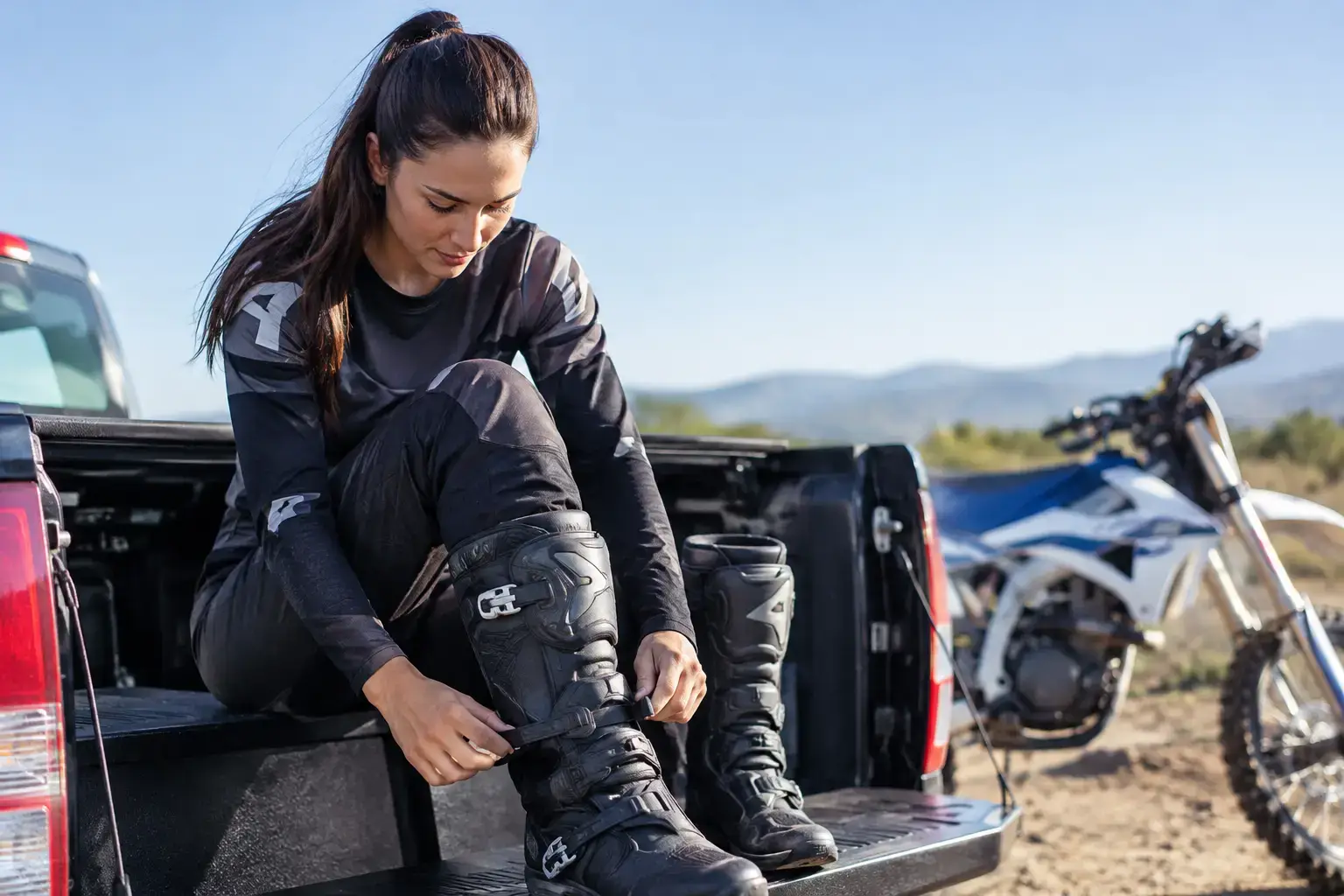
Can I Rent Riding Boots for a Dirt Bike Day?
You have the bike session picked out, the track day on your calendar, and one question is holding up the booking: can I rent riding boots? Often, yes - but it depends on the rental provider, available sizes, and the type of riding you plan to do. Never assume boots are included just because the dirt bike is. Confirm the gear policy before you arrive, especially if you are a first-time rider.
For motocross and off-road riding, boots are not a cosmetic add-on. They protect the lower leg, ankle, foot, and shin from impacts, footpeg strikes, roost, heat, and the awkward twist or compression that can happen in a low-speed fall. A proper pair also gives you the support to stand on the pegs, shift cleanly, and use the rear brake with more control.
Can I Rent Riding Boots With a Dirt Bike Rental?
Some dirt bike rental and training operations offer riding boots as part of a gear package, while others rent them separately or require riders to bring their own. There is no universal rule. Availability can change based on inventory, cleaning procedures, rider size, and the kind of session being booked.
The best move is simple: ask before you pay or travel. Tell the provider your shoe size, height, experience level, and whether you are riding a beginner trail session, a motocross track, or a coached lesson. That gives the team a chance to confirm what is available and recommend the right equipment for the conditions.
If boots are offered, ask whether they are included in the listed rental price, whether there is an additional fee, and whether your size can be reserved. Showing up and hoping a pair will be available is not a strong plan. Rental boots need to fit closely enough to protect you and allow control of the bike, so a random size is not good enough.
At Dirt Bike Rentals and Training, the focus is on helping riders show up prepared for a real riding environment. Gear questions should be handled before your session so you can spend your time learning to ride, not scrambling for equipment at the track.
Why Dirt Bike Boots Matter More Than Most Beginners Expect
New riders sometimes think sturdy work boots or hiking boots will do the same job. They will not. Those boots may offer basic coverage, but they are not designed to manage the forces created by a dirt bike, footpegs, ruts, jumps, or a bike tipping onto a rider's lower leg.
A motocross boot has a reinforced toe box, a hard shin plate, a supportive ankle structure, a heat-resistant inner panel, and a sole built to grip the peg. It limits movement in directions that commonly cause injury while still allowing enough flex to shift and brake. The boot also creates a layer between your leg and the bike when you squeeze it with your knees through turns and rough sections.
That structure can feel restrictive the first time you wear it. That is normal. Riding boots are supposed to feel more secure than sneakers or casual footwear. With the right fit, you should be able to walk carefully, work the controls, and stand on the pegs without your heel lifting or your toes feeling crushed.
What to Ask Before Renting Boots
A quick conversation with the rental provider can prevent an uncomfortable or unsafe session. Ask whether the boots are motocross-specific, what sizes are available, and whether a reservation is possible. Also ask about socks. Tall, moisture-wicking motocross socks are best, but clean athletic socks that extend above the top of the boot are far better than short ankle socks.
It also helps to know the facility's required safety gear. Boots are only one part of the setup. A properly fitted helmet is essential, and many tracks or training programs may also expect goggles, gloves, long pants, and other protective equipment. Knee protection, chest protection, and a neck brace can be appropriate depending on the riding level and course.
Do not wait until you are standing at the counter to mention an old ankle injury, unusually wide feet, calf braces, or prescription orthotics. These factors can affect whether a standard rental boot works for you. If a boot is painful or cannot fasten correctly, speak up. Riding through the day in poor-fitting equipment can distract you from instruction and reduce your control on the bike.
How Riding Boots Should Fit
A good motocross boot should feel snug around the foot and lower leg without creating numbness, sharp pressure, or toe pain. Your toes should not jam into the front when you bend your knees or press down on the footpegs. At the same time, your heel should not float up significantly inside the boot.
Fasten every buckle before judging the fit. Many first-time riders leave buckles loose because the boots feel stiff, then find their foot moves around when they shift or brake. Start with the boot adjusted securely but comfortably. A trainer or rental staff member can often help you check the fit and show you how to operate the buckles.
Test the boots before the engine starts. Practice lifting your toe to shift, pressing the rear brake, and standing in an athletic position with knees slightly bent. The controls may feel different in a protective boot, especially on a smaller bike. That is one reason a structured beginner session is valuable: you can build control habits in proper gear rather than learning shortcuts in unsuitable footwear.
Common Fit Problems
If your toes are pressed hard against the front, the boot is likely too short. If the heel slides, the foot area may be too large or the buckles may need adjustment. If the top of the boot cuts into your calf, the calf setting may be too tight, or the model may not suit your leg shape.
Do not expect rental boots to feel broken in like a personal pair. They may feel firmer, and that is manageable for a short session if the size is correct. But stiffness is different from pain. Pain, numbness, loose movement, or an inability to use the brake and shifter properly are reasons to stop and address the fit.
When Bringing Your Own Boots Makes More Sense
Renting boots is practical when you are trying dirt biking for the first time, traveling to a session, or attending an occasional training day. It lowers the upfront cost and helps you find out whether you enjoy the sport before purchasing a full kit.
Buying your own pair becomes the better choice when you ride regularly, have hard-to-fit feet, or want a consistent feel every time you get on a bike. Your own boots will break in around your movement, match your preferred socks and knee protection, and eliminate concerns about rental inventory. They also make it easier to practice the same braking and shifting feel from one ride to the next.
There is a trade-off. Entry-level boots cost less than premium race models, but protection, durability, replaceable parts, and ankle-support systems vary widely. A beginner does not need to buy the most expensive boot in the paddock. They do need a real motorcycle boot from a reputable motorsports brand, fitted correctly and maintained well.
Do Not Substitute Casual Footwear
Avoid riding in sneakers, skate shoes, sandals, work boots without ankle protection, or lightweight hiking boots. Even if a provider allows a rider to make that choice, it does not make it smart. Dirt bikes are heavy enough to injure a foot in a simple tip-over, and loose terrain creates situations where your foot may touch the ground unexpectedly.
Proper boots also improve confidence. When your feet and ankles are protected, you can focus on body position, throttle control, braking, and looking ahead. That focus matters far more than trying to make casual shoes work for a sport they were never designed to handle.
Before your next session, confirm the boot policy, reserve your size if rentals are available, and arrive early enough to test the fit. A good pair of riding boots will not make you faster by itself, but it gives you the protection and control to learn with purpose.


Comments